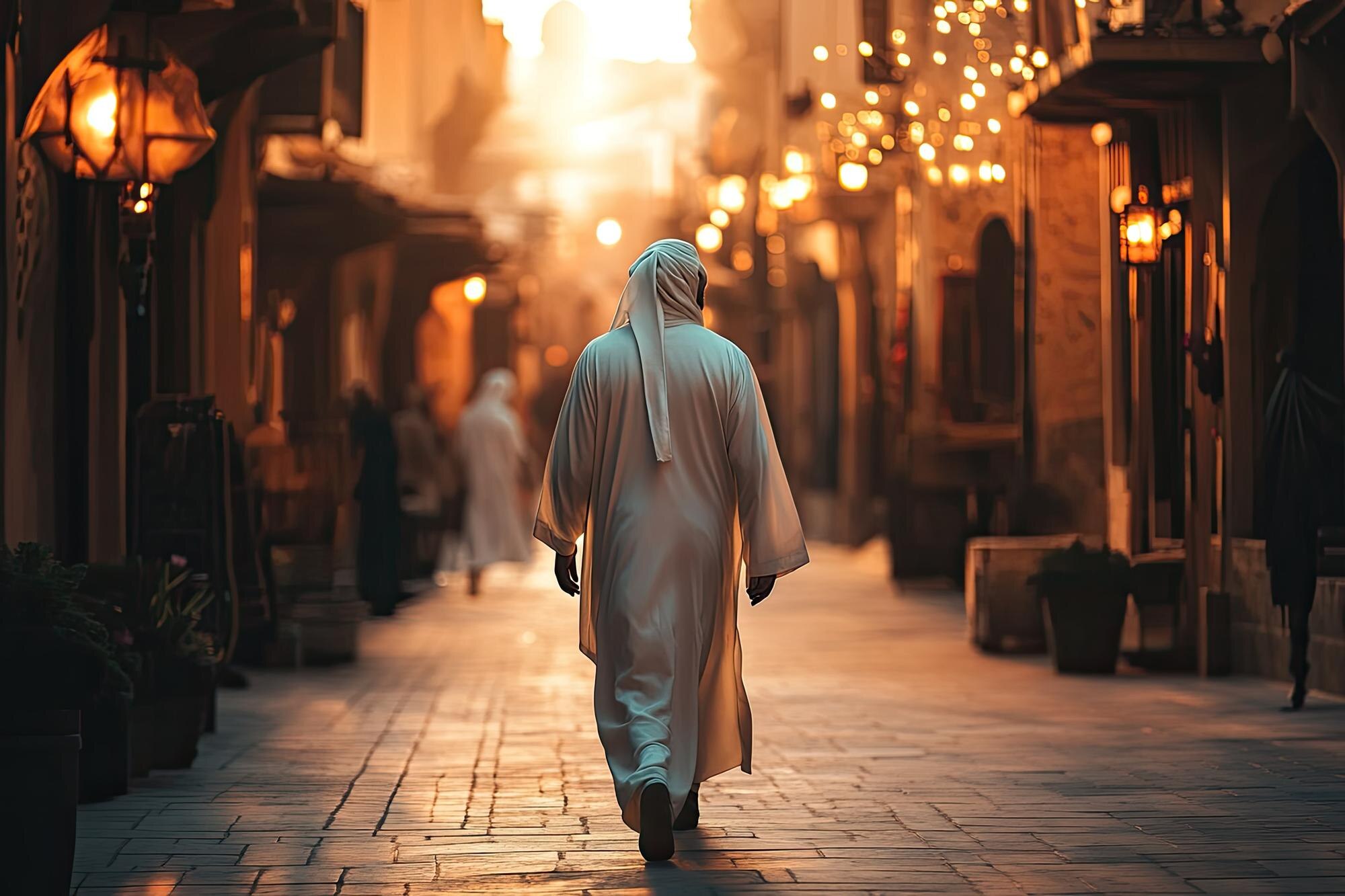
Umrah is, before anything else, a journey of the heart. But between you and that journey stand a visa, an app, an airline, a hotel booking, a set of health requirements and a handful of rules that shift more often than most guides admit. This section exists to clear that ground — calmly, in plain English, and in the right order — so that by the time you board the plane, the practical side is settled and your attention is free for the reason you’re going.
Think of this page as the map of the section. It tells you what’s here, the order that works best, what these guides promise you, and how they fit alongside the rest of the site. Ten minutes here will save you hours later.
Who this section is for
First-timers, primarily. If you’ve never done Umrah, everything here assumes nothing: not what Nusuk is, not how the visa options differ, not what Ihram clothing actually involves or which mistakes catch new pilgrims year after year. You can arrive knowing only that you want to go, and leave with a working plan.
If you’ve been before, you’re not excused — you’re just reading differently. The system has changed substantially over the past few years, and it keeps changing: visa categories, booking platforms, Rawdah permits and health requirements have all moved since the trip you remember. Repeat pilgrims tend to get caught precisely because they trust their memory of last time. Skim the chapters as a refresher, pay particular attention to the visa and Nusuk material, and check anything you’re “sure” about — the details that changed are rarely the ones you’d guess.
What’s inside, and the order to read it
You can dip into any chapter on its own — each stands alone — but if you’re starting from zero, there’s an order that works, and it isn’t alphabetical.
Start with the complete Umrah timeline from booking to coming home. It’s the spine of the whole section: a month-by-month view of what needs doing and when, from the first serious conversation to the week after you return. Reading it first means every other chapter slots into a schedule instead of floating loose — you’ll know not just what to do but when it’s due.
Then deal with the gatekeeper: your visa options, and how the dedicated Umrah visa differs from the tourist eVisa. Nothing else in your plan is real until you know which route you’re eligible for and what it allows, and this is the chapter where most first-timers’ picture of the modern system snaps into focus. The paperwork that supports it — passports, photographs, copies — is covered alongside it in the guide to preparing your documents, with vaccinations and health requirements close behind.
Third — and earlier than most people expect — comes spiritual preparation and the first-timer’s mindset. It may seem odd to place the inward chapter in the middle of the logistics, but the position is deliberate: sincerity of intention shapes a hundred small practical choices, from the trip length you book to the hotel you prioritise, and pilgrims who leave the heart-work until the airport tend to spend their first days in Makkah catching up. Read it while the booking decisions are still open.
Fourth, packing for Umrah — genuinely more consequential than it sounds, because overpacking and underpacking both tax you in a place where energy is the scarcest currency. And finally, before you commit money to anything, read the common planning mistakes. It’s the chapter written from other pilgrims’ regrets — the booking errors, the false economies, the scheduling traps — and twenty minutes there routinely saves people the cost of the whole trip in avoided grief.
Timeline, visa, heart, suitcase, mistakes. That’s the tour. The section’s remaining chapters — budgeting, choosing your season, health, technology, guidance for women and families, and the journey home — hang off that spine, and the timeline tells you when each becomes urgent.
What these guides promise
Three commitments, made plainly. First, the material is researched, not recycled: it draws on official Saudi sources, current platform behaviour and the recent experience of actual pilgrims, rather than copying the same decade-old advice that still circulates elsewhere. Second, it’s current as of mid-2026, and dated honestly — where something is in flux, the text says so instead of pretending permanence. Third, it’s honest about what changes. Visa rules, Nusuk and Rawdah procedures, vaccination requirements, prices and airport processes all move, sometimes between booking and departure. So treat everything here as a well-informed starting point rather than the last word, and before you commit, verify the load-bearing details through official channels: the Nusuk app and platform, the Visit Saudi portal, your airline, your embassy or consulate, and a trusted licensed operator. A guide that claims you’ll never need to check anything else is lying to you; this one would rather tell you the truth and keep your trust.
A word on religious guidance
These chapters offer practical travel knowledge and general background — nothing more. Where rulings are summarised, they reflect mainstream positions, but matters of fiqh can differ between schools of thought and from one person’s circumstances to the next. For anything specific to your own situation — health conditions and Ihram, menstruation and the rites, travel without a mahram, a rite performed out of order — ask a qualified scholar, ideally before you travel rather than in a panic beside the Mataf. Knowing in advance where your questions will go is itself part of good preparation.
Preparation is part of the worship
One more thing before you start, because it changes how the whole checklist feels. The preparation is not the boring bit before the pilgrimage — it is the pilgrimage, already begun. Every form filled with the intention of reaching Allah’s house, every pound set aside, every early night protected before the flight is written in the same ledger as the tawaf itself, because deeds are by intentions and your intention starts now. Pilgrims who grasp this stop rushing the admin and start doing it the way they hope to do the rites: carefully, gratefully, without cut corners. The visa queue is not in your way. It’s the first few steps.
Where this fits in the wider site
This Practical Guide is one of three legs, and it deliberately stays in its lane. The Nusuk Guide section handles the platform itself in depth — accounts, bookings, permits, troubleshooting — so when a chapter here says “book it through Nusuk”, the how-to lives there. The Spiritual Guide section carries the rites and the meaning: tawaf and sa’i step by step, the du’as, the states of the heart. Use them together the way you’ll live them — practical and spiritual in parallel, not sequence. A sensible rhythm is to work through this section as your bookings progress, keep the Nusuk Guide open whenever you’re actually inside the app, and read the Spiritual Guide in the final weeks, when the logistics are done and the heart wants feeding.
Begin
That’s the whole orientation. You now know the order, the promise, and the fit — which puts you ahead of most people who’ve already booked. So begin properly: open the complete Umrah timeline, find where today falls on it, and take the one step it says is due. Everything else in this section will be waiting exactly where you need it, exactly when you do.
Leave A Comment