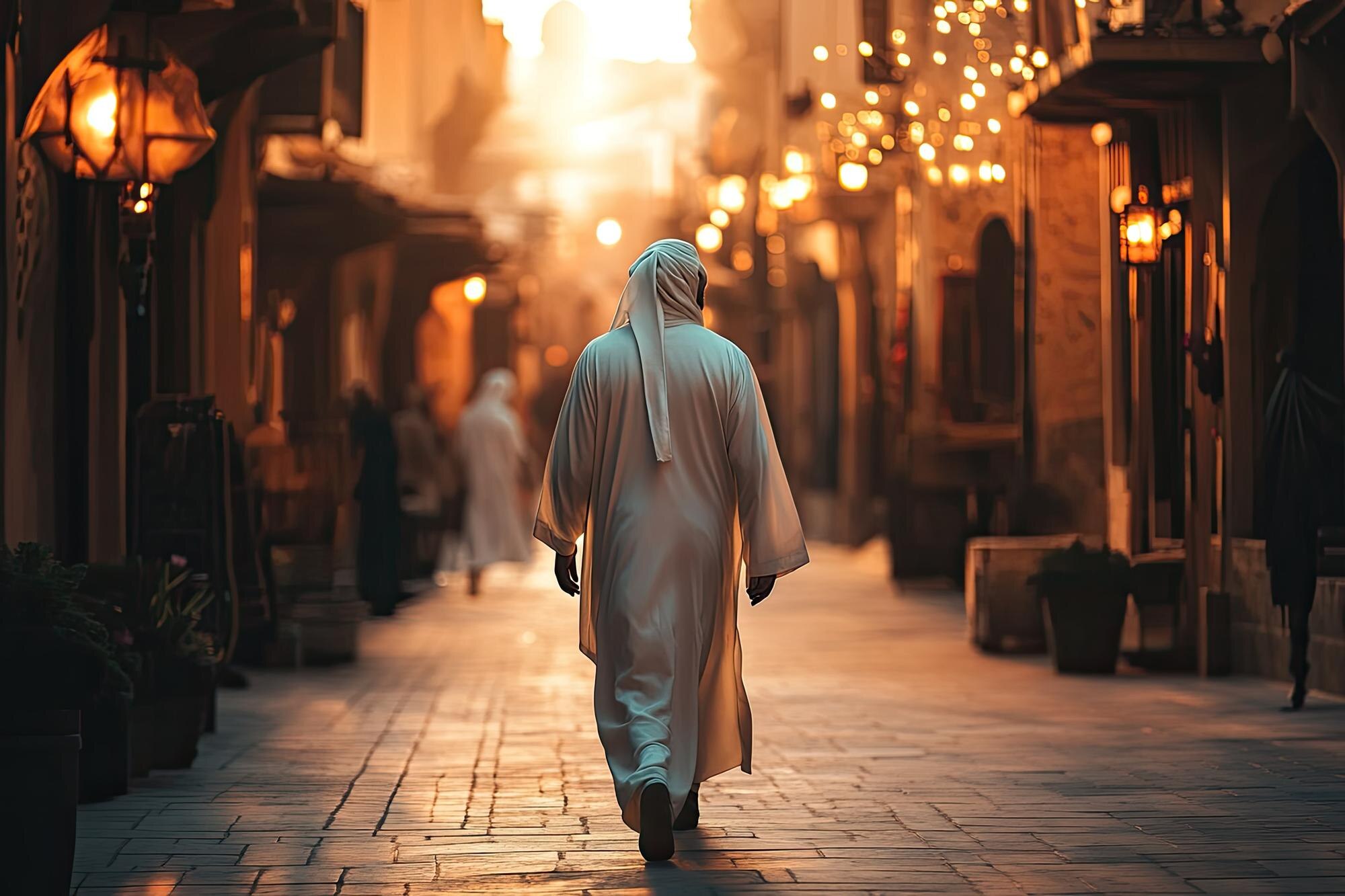
I want to speak now, very gently, to a particular reader — and perhaps it is you. Perhaps you have been arranging the flights and the documents and the white cloth, and all the while a heavier question has been sitting in your chest, one you may be too ashamed to say aloud: Am I really allowed to come? After everything I have done — the prayers I abandoned, the sins no one knows about, the promises I broke, the years I wasted — is there still a place for me near the House of Allah?
If that is your secret question, then this chapter is for you, and I want you to read it slowly. That fear you feel — that the Ka’bah is only for the righteous, that Allah invites only the polished and the clean while people with histories like yours should keep their distance — it can feel like humility. But listen closely: if it leads you to despair, it is not humility at all. It is a whisper, dressed up as modesty, trying to close a door that your Lord has thrown wide open.
Your Beloved ﷺ told you that every child of Adam sins — and that the best of those who sin are the ones who keep turning back. That does not make sin small. It makes the door of return unmistakable. So understand the difference between two kinds of shame, because your whole journey may turn on it. There is a shame that says, I have wronged myself, so I must run back to Allah. And there is a shame that says, I have wronged myself, so I should stay away from Allah. The first is a doorway. The second is a trap. And Shaytan does not always tempt you to sin loudly — sometimes he waits until after you have fallen, and then leans in and whispers: Now you are too dirty to pray. Too fake to make du’a. Too much of a hypocrite to go to Umrah. But the truth is the exact opposite of his lie. A sick man does not avoid the doctor because he is sick. A thirsty man does not refuse water because he is parched. The more wounded you are, the more desperately you need the door of mercy — so do not wait until you feel clean enough to come to Allah. You may wait forever. Come, instead, so that He may make you clean.
And when you wrap yourself in Ihram, do not imagine the white cloth is hiding your past from Allah. He knows it already — all of it. The beauty of Ihram is not that it conceals you, but that it reveals you: it lets you stand before Him with no costume, no title, no excuses, and finally say what the heart has been too afraid to say — Yā Allah, this is me. Not the image people have of me. Not the name I built. Me — with everything You already know. There is a strange and enormous relief, in laying before Allah the very thing you have spent years burying. Not because the sin suddenly becomes small, but because His mercy becomes the place where you can finally set it down. So let your Tawaf carry your real wounds and not a borrowed script. And whatever you do, make this Umrah the beginning of something — not a beautiful decoration laid over a life that stays the same. If you abandoned the prayer, let it begin the guarding of your prayer. If a sin has trapped you, let it begin the real, practical change — remove the access, get the help, change the company, build the wall. Turning back is not only regret. It is a new direction. And the clearest sign that Umrah has truly entered your heart is not that you never fall again — but that when you fall, you no longer love it, no longer defend it, and no longer despair of getting back up.
O Allah — I am not coming to You because I have no sins. I am coming because I have nowhere to flee from my sins, except to You.
Leave A Comment