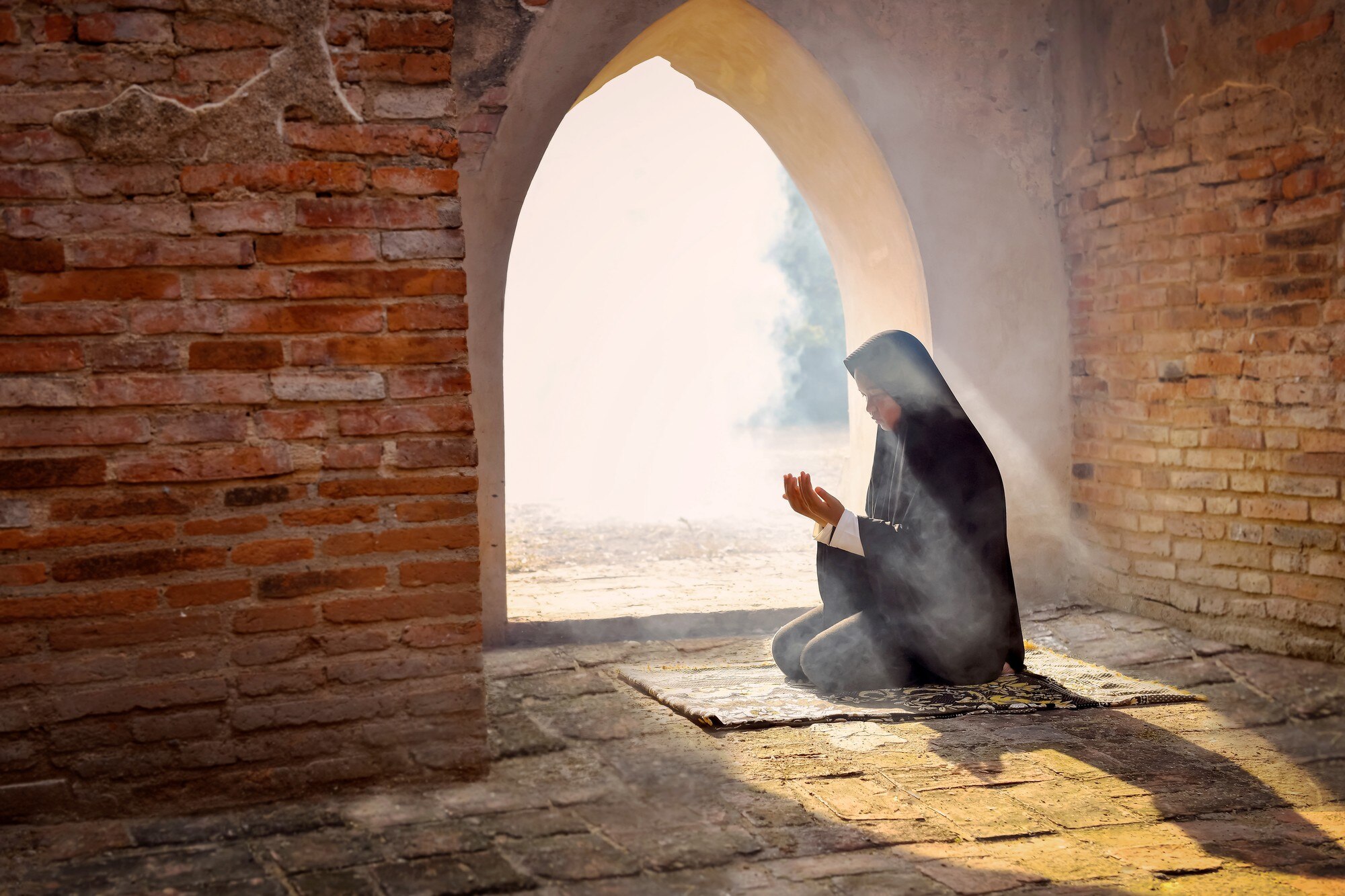
Your Umrah, does not begin at the boundary near Makkah. For most of us it begins right here, at home, in the tangle of our relationships with the people Allah placed in our lives. And there is a question you must be brave enough to ask before you go: whose right is still hanging around my neck? It is a hard question. Ask it anyway. Because it is a strange and painful thing to long to stand before the House of Allah while the people in your own house are still nursing a wound you gave them.
So begin with the ones closest to you. Your parents, your husband or wife, your children, your brothers and sisters — they are not obstacles standing between you and your spirituality. They are the test of your spirituality. Call the parent you have been avoiding. Sit with your spouse and make peace where peace can be made. And if you are travelling with your family, remember this gently: helping them worship with a calm heart may weigh more with Allah than all the extra Tawafs you could squeeze in while they feel abandoned at your side.
Then turn to those you have wronged, and seek their forgiveness. I do not mean tearing open every old wound without wisdom — only taking honest responsibility where it is clearly yours. If you insulted someone, apologise. If you broke a promise, own it. If you took what was not yours, return it. If you spoke about someone behind their back, repent, and repair what can be repaired without causing greater harm. The heart travels so much lighter when it is not dragging the broken rights of people behind it through the streets of Makkah.
And debts — these deserve a special seriousness, and a special tenderness. Before you go, sit down and make a real plan for what you owe. Pay what you can. What you cannot, speak about honestly: arrange the instalments, write down the responsibility, and do not spend lavishly on your own journey while a creditor waits in the dark. A simple Umrah paid for with clean money is more beautiful in the sight of Allah than a luxurious one shadowed by an injustice. Leave behind you, too, a quiet clarity for those at home — where the documents are, the contacts they might need, the small instructions in case Allah decrees something. This is not a failure of trust in Him. Trusting Allah was never the same as leaving chaos behind you with a religious word attached. It is taking the means with your hands while resting your heart in the One who holds the outcome.
Before you go to His House, bring peace to your own house as far as you are able. The du’a of someone whose heart you comforted before you left may travel with you farther than anything in your luggage.
And then comes the moment of departure itself — and oh, what a moment it is. The airport gathers everything at once: the excitement, the tears, the last instructions, the heavy embraces, the whispered du’as at the gate. In the middle of all that noise, do one quiet thing in your heart: hand the people you love back to Allah. Not coldly, as if letting go, but with deep trust. The One calling you to His House is the very same One who can guard those you leave sleeping behind you. And so we place them in His care, with the prayer of the traveller:
اللَّهُ أَكْبَرُ ❁ اللَّهُ أَكْبَرُ ❁ اللَّهُ أَكْبَرُ ❁ سُبْحَانَ الَّذِي سَخَّرَ لَنَا هَذَا وَمَا كُنَّا لَهُ مُقْرِنِينَ ❁ وَإِنَّا إِلَى رَبِّنَا لَمُنْقَلِبُونَ ❁ اللَّهُمَّ إِنَّا نَسْأَلُكَ فِي سَفَرِنَا هَذَا الْبِرَّ وَالتَّقْوَى ❁ وَمِنَ الْعَمَلِ مَا تَرْضَى ❁ اللَّهُمَّ هَوِّنْ عَلَيْنَا سَفَرَنَا هَذَا ❁ وَاطْوِ عَنَّا بُعْدَهُ ❁ اللَّهُمَّ أَنْتَ الصَّاحِبُ فِي السَّفَرِ ❁ وَالْخَلِيفَةُ فِي الْأَهْلِ
Allāhu akbar, Allāhu akbar, Allāhu akbar. Subḥāna-lladhī sakhkhara lanā hādhā wa mā kunnā lahū muqrinīn. Wa innā ilā Rabbinā la-munqalibūn. Allāhumma innā nas’aluka fī safarinā hādhā-l-birra wat-taqwā, wa mina-l-‘amali mā tarḍā. Allāhumma hawwin ‘alaynā safaranā hādhā waṭwi ‘annā bu’dah. Allāhumma anta-ṣ-ṣāḥibu fi-s-safar, wal-khalīfatu fi-l-ahl.
“Allah is the Greatest, Allah is the Greatest, Allah is the Greatest. Glory be to the One who has subjected this to us, for we could never have managed it ourselves. And truly, to our Lord we shall return. O Allah, we ask You on this journey for goodness, God-consciousness, and deeds that please You. O Allah, make this journey easy for us, and fold up its distance for us. O Allah, You are the Companion on the journey and the Guardian over the family.”
And there is something quietly holy, in sitting down before you leave and writing out what your heart is truly carrying — not just I am going for Umrah, but why. What do you ache for Allah to change in you? What do you long to set down and never pick up again? What do you dream of carrying home? Write it as though no one will ever read it — because no one will, except the One who already knows. Let the words be honest even when they shame you: Yā Allah, I want to come home with a softer heart. Help me let go of this sin I have never managed to leave. Make me gentler with my husband, more patient with my children, more tender with my parents. So many of us travel with only a vague wish to become “a better Muslim.” It is a beautiful wish — but your heart needs more than a fog. It needs a direction. And when you pray like this, named and specific and unashamed, you will begin to notice the answers when they come — quietly, in a softer reaction, in a sin that suddenly feels easier to walk away from.
Leave A Comment